Source Waterproof Shockproof Watch Case for Travel Storage Outdoor
Compare 30 listings of waterproof shockproof watch cases from verified suppliers. Buyers can evaluate materials like EVA and plastic, customization options, and pricing for travel, storage, and outdoor protection needs.
Key considerations
Products List

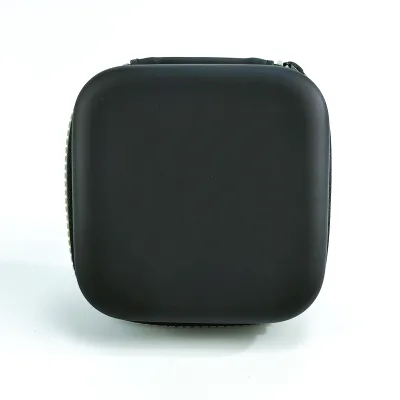
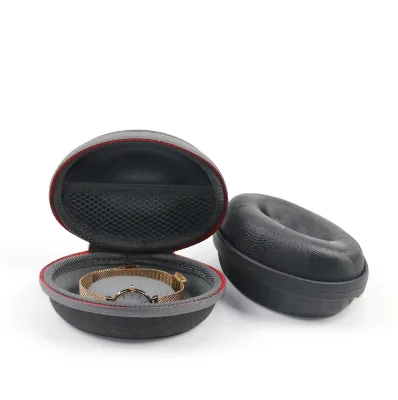
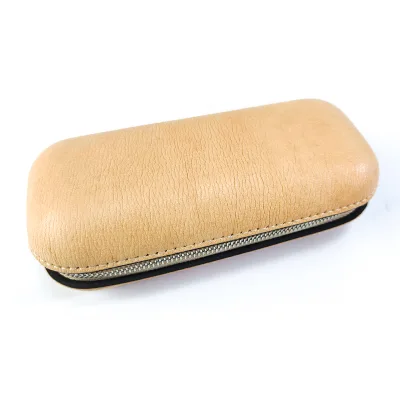
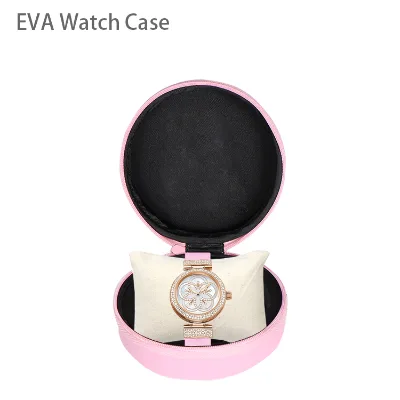


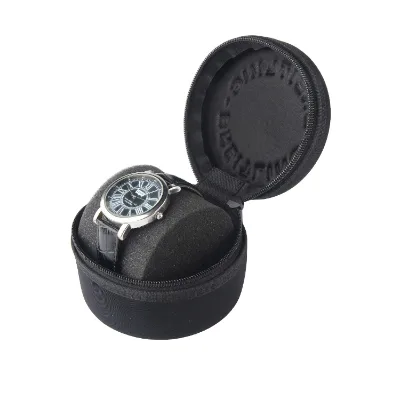
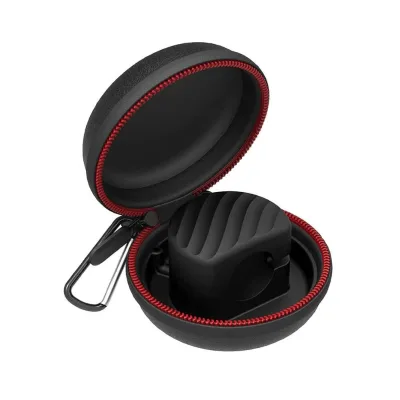
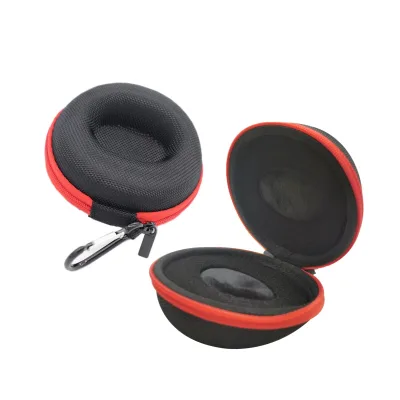
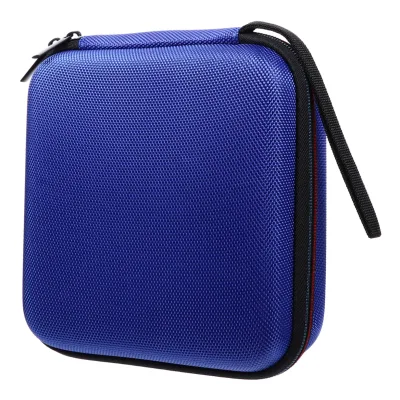
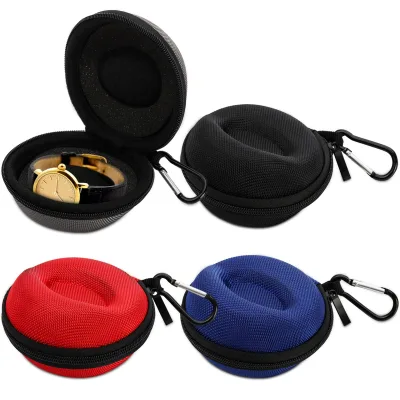
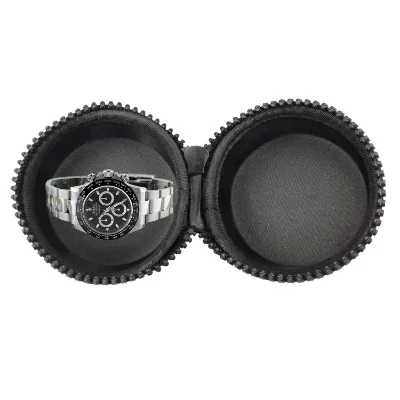
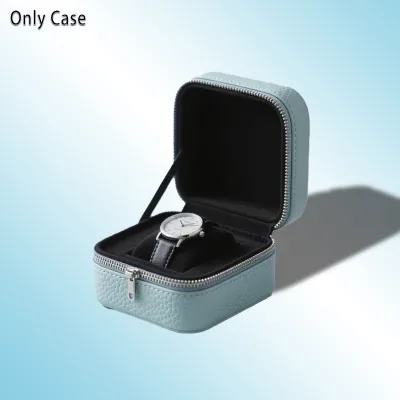

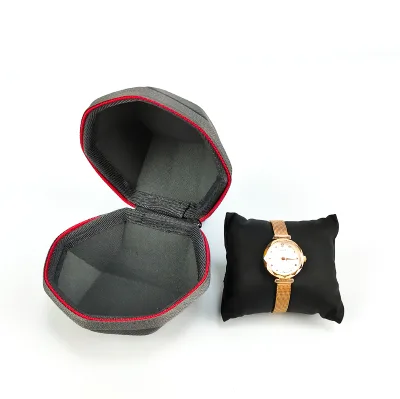
Comprehensive Sourcing Guide
Strategic Sourcing Guide for Waterproof Shockproof Watch Cases
Understanding Product Attributes and Functional Requirements
When sourcing a waterproof shockproof watch case, buyers must first distinguish between the specific functional claims and the material realities presented in the market. The core keyword implies a dual-purpose product designed to protect timepieces from environmental hazards while maintaining portability. Based on current market observations, these cases are frequently constructed from EVA (Ethylene Vinyl Acetate) or hard plastic materials. EVA is particularly prevalent due to its inherent shock-absorbent properties, offering a medium-soft hardness that cushions impacts effectively without being overly rigid. This material choice is critical for the "shockproof" claim, as it allows the case to deform slightly under pressure and return to its original shape, protecting the watch mechanism inside.
The functional profile of these cases extends beyond simple storage. The observed attribute list indicates a robust combination of features including waterproofing, dirt resistance, and anti-slip capabilities. These attributes are essential for users engaging in travel, outdoor activities, or daily commutes where the case might be exposed to moisture, dust, or rough handling. The "waterproof" designation suggests a sealed environment, often achieved through specific closure mechanisms like heavy-duty zippers. It is important to note that while the product name often includes "Waterproof Case," the actual performance depends on the integrity of the zipper and the seam sealing, which varies by manufacturer. Buyers should verify that the closure type is explicitly listed as a zipper and that the material density is sufficient to prevent water ingress during brief submersion or heavy rain exposure.
Furthermore, the aesthetic and ergonomic dimensions are significant for B2B buyers targeting retail or corporate gifting markets. The style attributes observed range from minimalist and trendy to cultural, glamorous, and patterned designs. This variety allows for customization to match brand identities or seasonal trends. The color options typically include standard black, dark grey, and yellow, with a strong emphasis on the availability of customized colors. This flexibility is a key differentiator in the market, allowing procurement teams to align the product packaging with their specific corporate branding or retail requirements. The "Eco-Friendly" style attribute also suggests a growing segment of products that may utilize sustainable manufacturing processes, though buyers must verify specific material compositions to confirm eco-claims.
Technical Specifications and Customization Parameters
Technical specifications form the backbone of any procurement agreement for watch cases. The physical dimensions of these products are not uniform; they vary significantly based on the intended watch size and the desired internal capacity. Observed standard sizes include configurations such as 10.510.56cm, 129.56cm, and 15.56.55cm. However, the market heavily favors "customized size" options, allowing buyers to tailor the internal volume to specific watch models or to create multi-watch storage solutions. The single package size often mirrors the product dimensions, with weights typically ranging around 0.500 kg per unit, which is a crucial factor for logistics planning and shipping cost calculations.
Customization is a dominant feature in this category, with suppliers widely accepting requests for customized logos, colors, and dimensions. The "OEM/ODM" (Original Equipment Manufacturer/Original Design Manufacturer) status is frequently listed as "Warmly Welcomed" or "Acceptable," indicating a high degree of flexibility for brands looking to create proprietary products. This includes the ability to modify the internal layout, such as adding multiple receivers or specific compartments for watch straps and tools. The "Private mold" attribute is often listed as "No," suggesting that many suppliers rely on existing molds to keep costs down, but this does not preclude the creation of custom branding elements like embossed logos or printed patterns on the exterior.
The compatibility of these cases is another technical consideration. While many are designed as universal storage solutions, some listings specifically note compatibility with brands like iPhone, which may indicate a broader product line or a specific design adaptation for multi-device users. However, for the primary function of watch storage, the internal dimensions must be carefully matched to the watch diameter and thickness. Buyers should request detailed internal dimension charts from potential suppliers to ensure a snug fit that prevents the watch from shifting during transit. The "Standard" packing method is common, but for high-volume orders, custom packaging solutions can be negotiated to reduce damage rates and enhance unboxing experiences.
Compliance, Certification, and Regulatory Standards
Navigating the compliance landscape is essential for importing watch cases into regulated markets. The supply chain for these products often originates from specific manufacturing hubs, with Guangdong, China, being a prominent location. This region is known for its established manufacturing infrastructure, but it also necessitates rigorous quality and compliance verification. The observed certification list includes ISO9001, BSCI, ROHS, EPR, and REACH. These certifications cover a broad spectrum of requirements, from quality management systems (ISO9001) to social compliance (BSCI) and environmental safety (ROHS, REACH).
ISO9001 certification indicates that the supplier has a documented quality management system in place, which is a baseline requirement for consistent product quality. BSCI (Business Social Compliance Initiative) certification addresses labor practices, ensuring that the manufacturing environment adheres to ethical standards regarding worker safety and rights. For buyers targeting the European market, ROHS (Restriction of Hazardous Substances) and REACH (Registration, Evaluation, Authorisation and Restriction of Chemicals) are critical. These regulations restrict the use of specific hazardous materials in electronic and plastic products, ensuring that the EVA or plastic materials used in the watch cases do not leach harmful chemicals.
EPR (Extended Producer Responsibility) is another significant certification, particularly relevant for products entering the European Union. It places the responsibility for the entire lifecycle of the product, including disposal and recycling, on the manufacturer. Buyers must verify that their suppliers can provide valid, up-to-date certificates for these standards. It is important to note that while these certifications are observed in the market, they are not universal guarantees for every listed product. Buyers should request copies of the certificates and verify their validity with the issuing bodies before placing large orders. Additionally, while some background information mentions standards like EN13319, this should be treated as a reference point for verification rather than a confirmed attribute of all available products.
Cost Drivers, Pricing Structures, and MOQ Considerations
The pricing structure for waterproof shockproof watch cases is influenced by several key factors, including material costs, customization levels, and order volume. The observed price range in the market spans from $0.20 to $60.00 USD, a wide disparity that reflects the difference between basic, off-the-shelf models and highly customized, premium versions. The lower end of the spectrum typically corresponds to standard sizes with minimal customization, while the higher end includes complex designs, private molds, and specialized materials.
Minimum Order Quantity (MOQ) is a critical cost driver. The observed MOQ range varies from 1 to 1000 units, with a common threshold of 500 pieces for customized orders. This suggests that while small trial orders are possible, significant customization usually requires a larger commitment to justify the setup costs. Buyers should be aware that the "Sample time" for customized products typically ranges from 5 to 10 days, which adds to the overall lead time. Payment terms are also a standard consideration, with a common structure being a 30% deposit plus a 70% balance upon completion or before shipment. This structure protects both the buyer and the supplier, ensuring that production is funded while securing the buyer's investment.
Logistics costs are another hidden factor in the total cost of ownership. The single gross weight of approximately 0.500 kg per unit means that shipping costs can accumulate quickly for large orders. Buyers should calculate the cost per unit including freight, insurance, and duties, rather than relying solely on the factory gate price. The "Standard" packing method is generally cost-effective, but if custom packaging is required, the cost per unit will increase. Additionally, the "Selling Units" are typically listed as single items, which simplifies inventory management but requires careful calculation of bulk shipping volumes to optimize container utilization.
Typical Applications and Use Cases
The versatility of waterproof shockproof watch cases makes them suitable for a wide range of applications, from personal use to professional and corporate scenarios. The primary application is "Carry Storage Case" and "Watch Storage," designed to keep timepieces safe during travel. The "Travel" and "Outdoor" attributes highlight their utility for adventurers, travelers, and sports enthusiasts who need to protect their watches from water, dust, and impact. The "Daily" usage category suggests that these cases are also suitable for everyday carry, providing a convenient way to transport watches between home, office, and gym.
In a B2B context, these cases are often used as promotional items or corporate gifts. The ability to customize the logo and color makes them ideal for branding campaigns, where companies can distribute high-quality, functional items to clients or employees. The "Fashionable," "Luxury," and "Modern" style attributes align well with corporate branding strategies that aim to project a premium image. Furthermore, the "Multiple Receiver" feature allows for the storage of multiple watches, making these cases valuable for watch collectors, retailers, and auction houses that need to transport or display multiple timepieces securely.
The "Protection" aspect is paramount for all applications. Whether the watch is a high-end luxury item or a rugged sports watch, the case provides a necessary layer of defense against environmental hazards. The "Dustproof" and "Shockproof" features ensure that the internal mechanism remains intact even in harsh conditions. For retailers, these cases can serve as a value-added service, offering customers a durable storage solution that complements their purchase. The "Eco-Friendly" style also appeals to environmentally conscious consumers, making these cases a viable option for brands with sustainability goals.
Supplier Evaluation and Quality Control Protocols
Evaluating suppliers for waterproof shockproof watch cases requires a multi-faceted approach that goes beyond price comparison. Buyers should prioritize suppliers who demonstrate transparency in their certification status and production capabilities. The presence of ISO9001, BSCI, ROHS, and REACH certifications is a strong indicator of a supplier's commitment to quality and compliance. However, buyers must verify these certifications directly, as they are not automatically granted to all products listed by a supplier. Requesting physical copies of the certificates and checking their expiration dates is a necessary step in the due diligence process.
Quality control (QC) protocols are equally important. Given the functional requirements of waterproofing and shock absorption, buyers should request samples to test the actual performance of the product. This includes testing the zipper closure for water resistance, dropping the case from a specified height to verify shock absorption, and inspecting the material for durability. The "Medium Soft" hardness attribute should be verified to ensure it provides adequate cushioning without being too flimsy. Buyers should also inspect the stitching and seam quality, as these are common points of failure in waterproof products.
Communication and responsiveness are key indicators of a reliable supplier. The "Sample time" of 5-10 days suggests a need for efficient production scheduling. Buyers should assess the supplier's ability to meet these timelines and their willingness to accommodate custom requests. The "OEM/ODM" acceptance indicates a flexible production model, but buyers must ensure that the supplier has the technical expertise to execute complex customizations without compromising quality. Finally, buyers should establish clear communication channels for post-sales support, including handling of defects, returns, and warranty claims.
Long-Term Procurement and Supply Chain Resilience
Sourcing waterproof shockproof watch cases is not just a one-time transaction but a strategic decision that impacts long-term supply chain resilience. Buyers should consider the scalability of their supplier relationships. A supplier capable of handling MOQs from 500 to 1000 units and offering consistent quality over time is essential for growing businesses. The "Customized Logo" and "Customized Size" options provide the flexibility needed to adapt to changing market trends and product lines. However, buyers must be mindful of the "Private mold" status; if a supplier does not offer private molds, the buyer may be limited to existing designs, which could affect product differentiation.
Supply chain transparency is another critical factor. Knowing the "Place of Origin" as Guangdong, China, allows buyers to anticipate potential logistical challenges and regulatory requirements. Buyers should develop contingency plans for supply disruptions, such as maintaining relationships with multiple suppliers or keeping safety stock. The "Standard" packing method is generally reliable, but for high-value shipments, custom packaging solutions can reduce the risk of damage during transit. Additionally, buyers should monitor the "Sample time" and "Lead time" closely, as these can fluctuate based on raw material availability and production capacity.
Finally, long-term procurement involves a commitment to continuous improvement. Buyers should work with suppliers to refine product specifications, enhance sustainability features, and optimize costs. The "Eco-Friendly" attribute suggests a market trend towards greener products, and buyers should explore opportunities to incorporate more sustainable materials or processes. By maintaining a proactive approach to supplier evaluation and quality control, buyers can ensure a steady supply of high-quality waterproof shockproof watch cases that meet their evolving business needs.
FAQs
What materials are used for waterproof shockproof watch cases?
These cases are primarily constructed from EVA or plastic materials. EVA offers medium-soft hardness for shock absorption, while plastic provides a durable protective cover for daily use and travel.
Can buyers customize the logo and color of these cases?
Yes, customization for logos and colors is widely available. Suppliers accept requests for customized logos, dark grey, black, or yellow colors, and often welcome OEM or ODM services for branding.
What certifications do manufacturers typically hold for these products?
Manufacturers often hold ISO9001, BSCI, ROHS, EPR, and REACH certifications. These standards ensure quality management, social compliance, and adherence to environmental safety regulations for hazardous substances.
How does the MOQ vary for customized orders?
The minimum order quantity typically ranges from 1 to 1000 pieces. Customized orders often require a threshold of 500 pieces, while standard items may be available in smaller quantities.
What are the standard dimensions for these watch storage cases?
Standard sizes include 10.5*10.5*6cm, 12*9.5*6cm, and 15.5*6.5*5cm. Buyers can also request customized sizes to fit specific watch models or storage needs.
Where are these products typically manufactured?
Products are commonly manufactured in Guangdong, China. This region is a known hub for producing plastic and EVA cases with standard packing methods and reliable supply chains.
What is the typical sample time for custom orders?
Sample times generally range from 5 to 10 days. Buyers should expect a lead time of 5-7 days or 7-10 days depending on the specific customization requirements.